Final Video
About the Project
This project was one of my most ambitious undertakings to date, where I served as VFX Supervisor under Studio 457 leading a team of seven artists to deliver 16 high-end shots seamlessly blending real-world footage with fully CG environments.
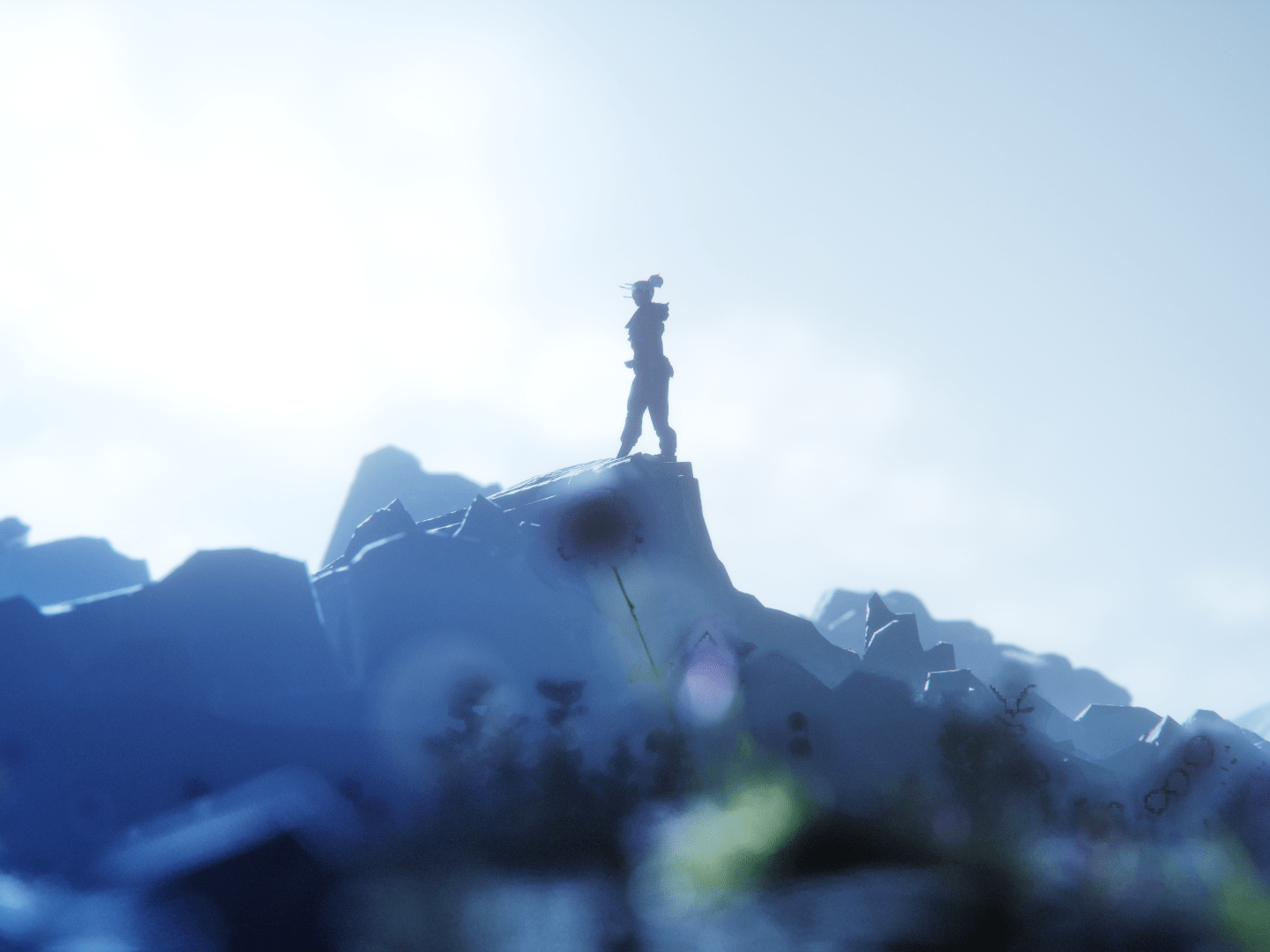
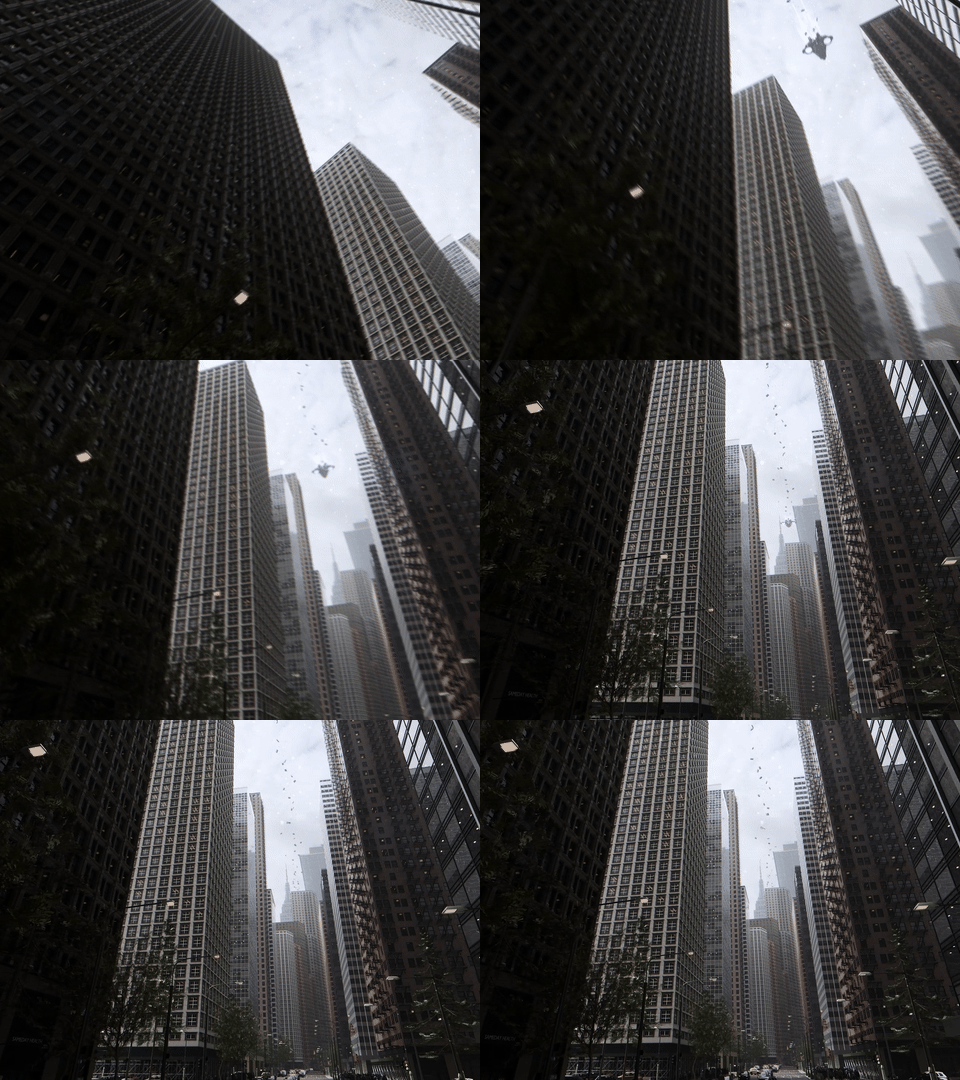
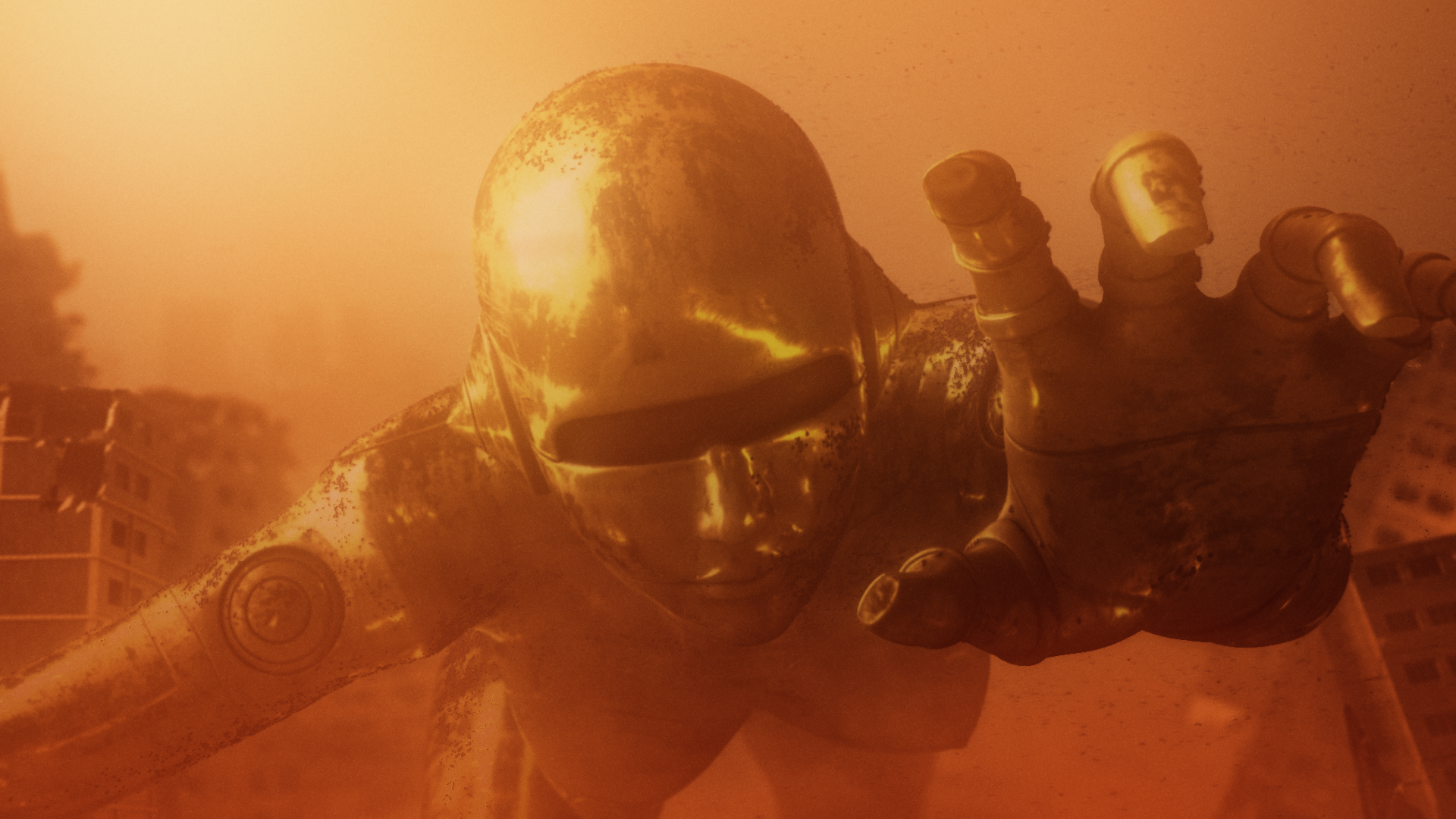
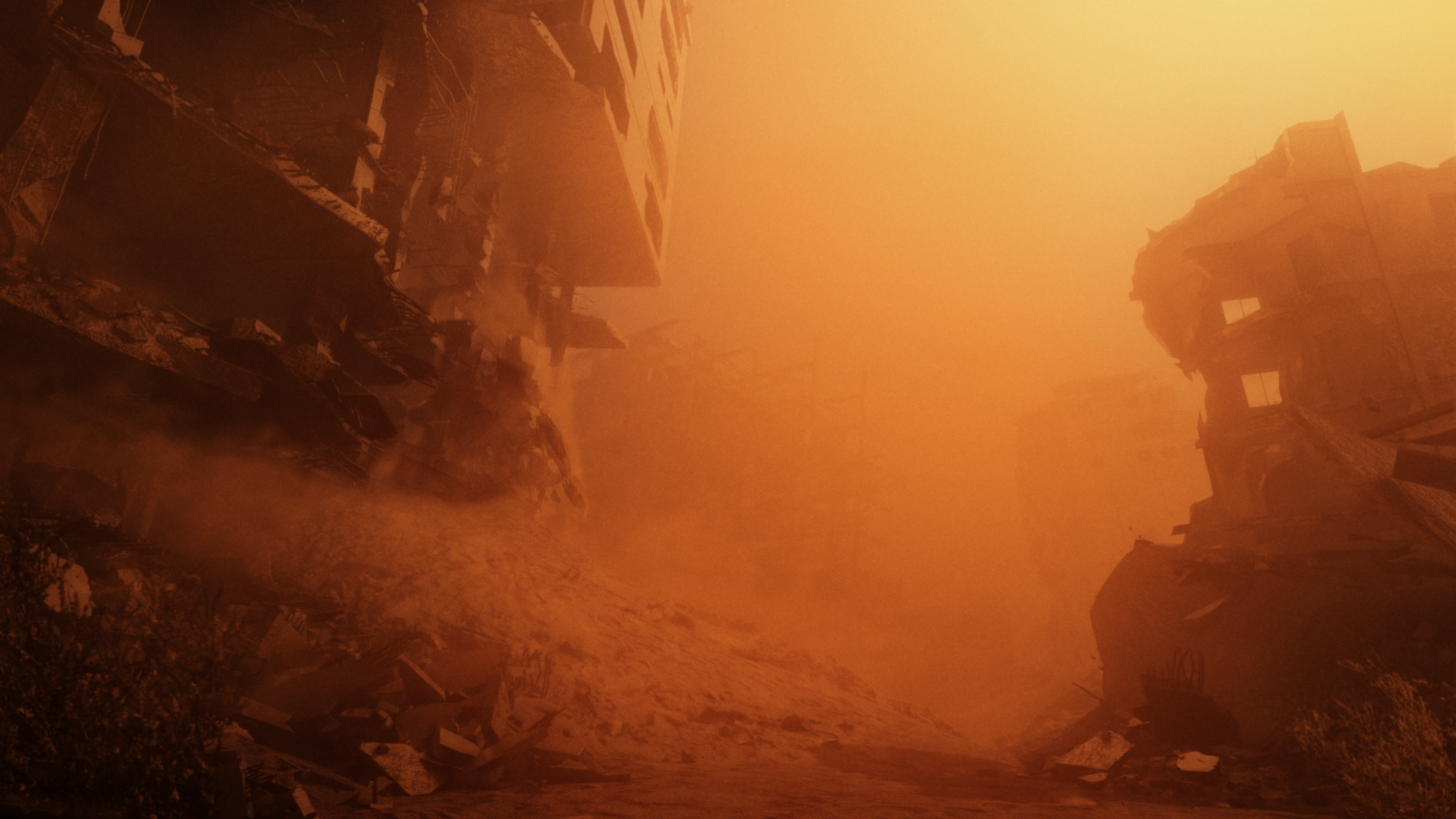
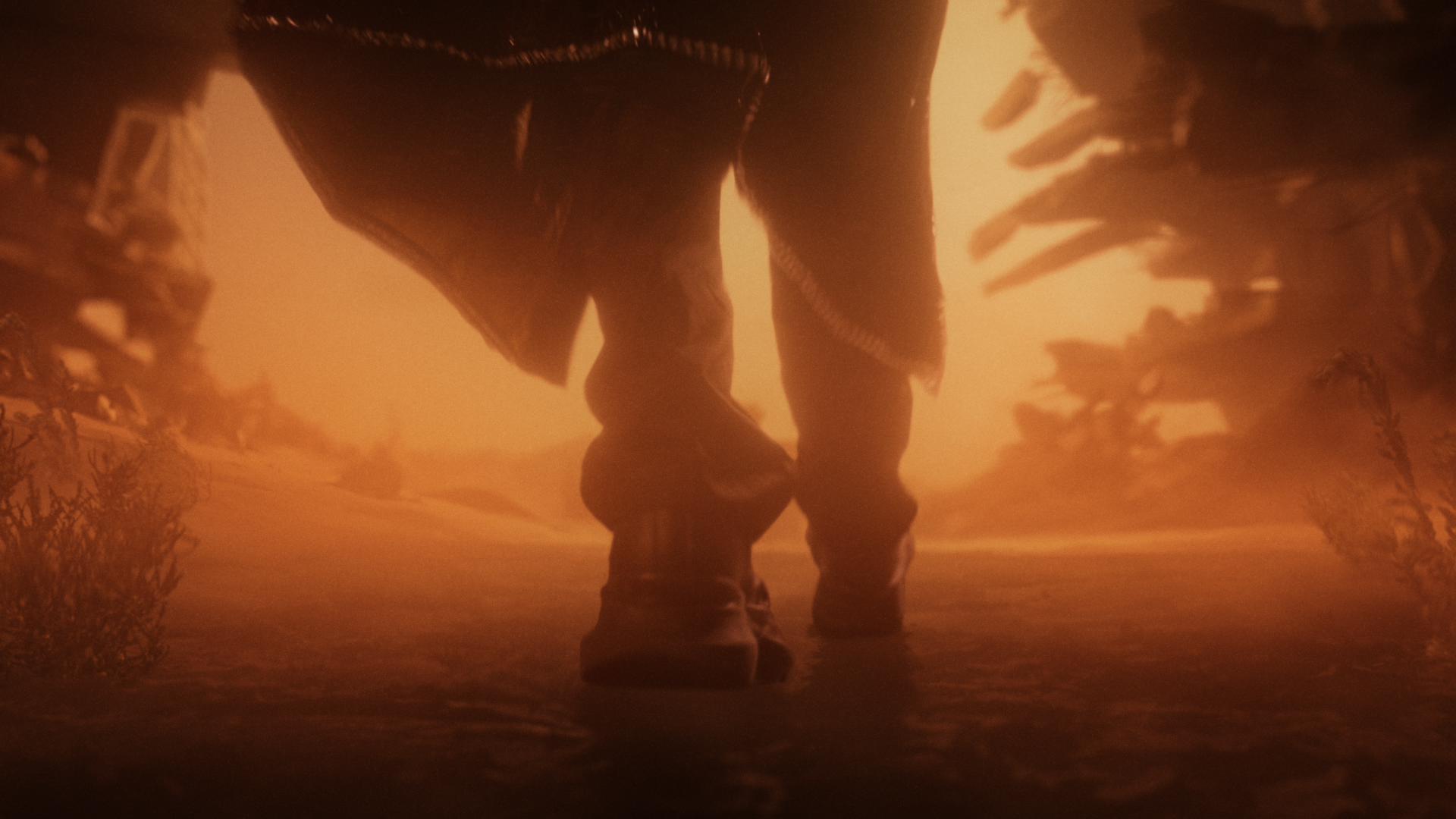
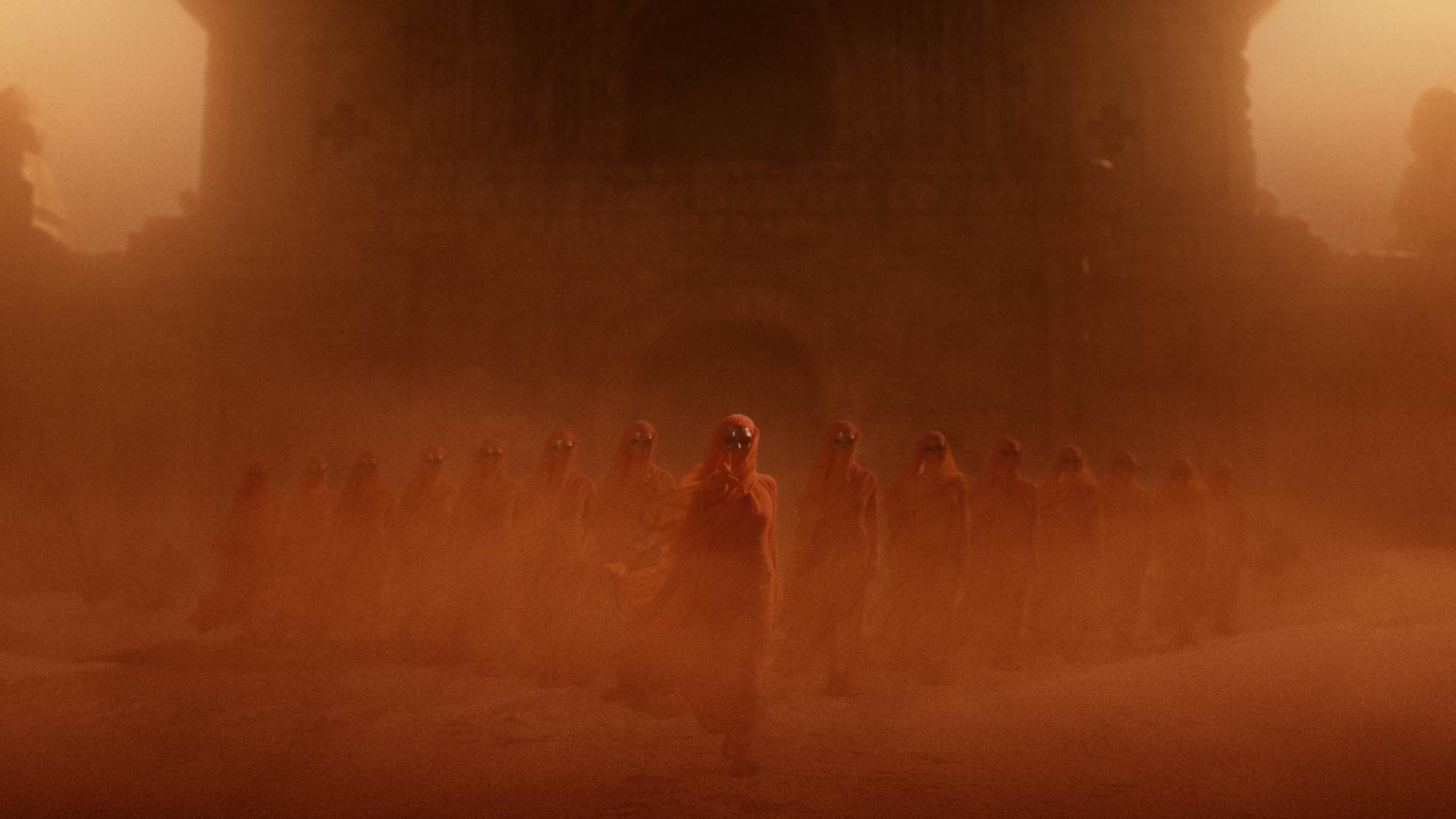
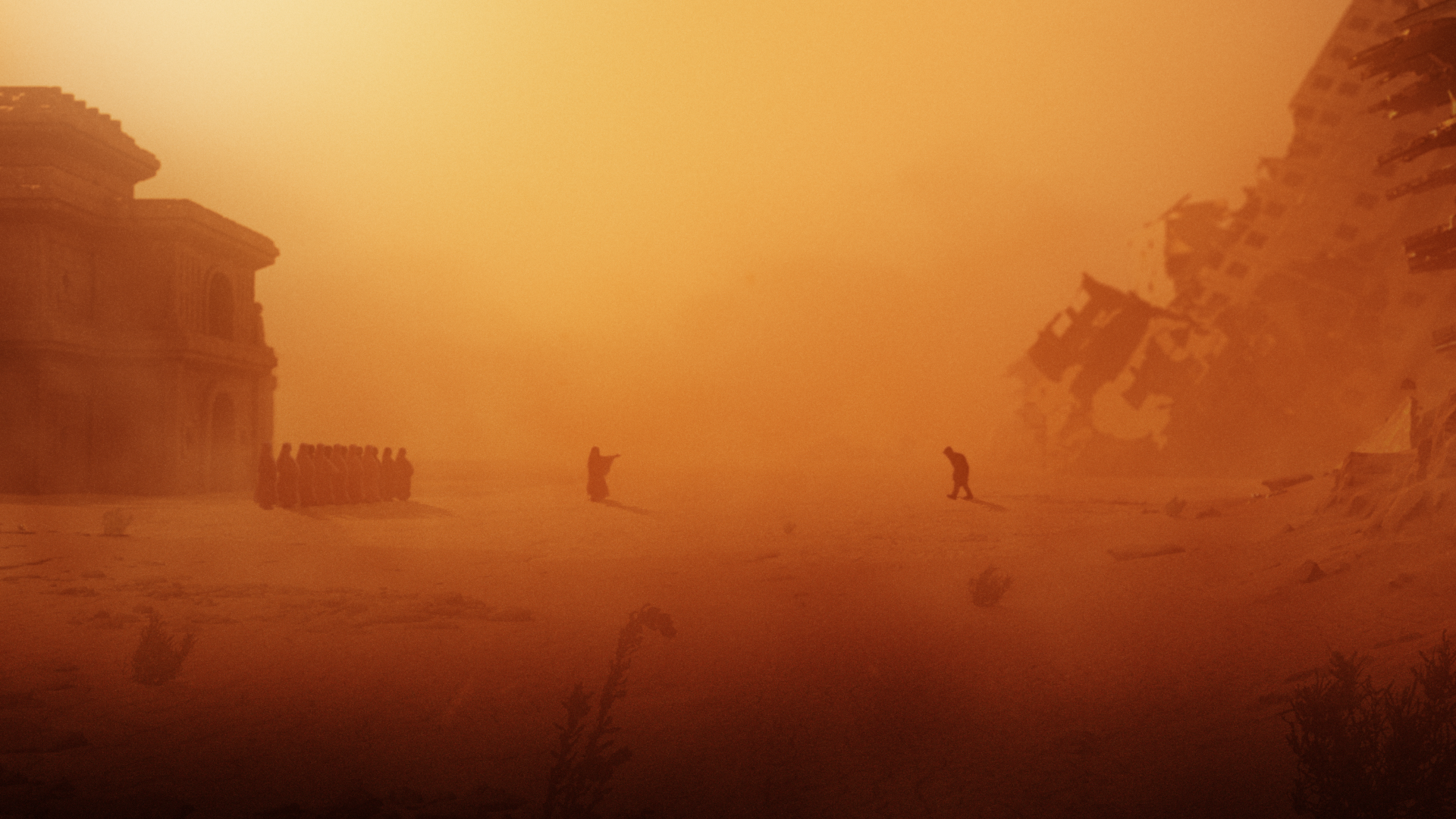
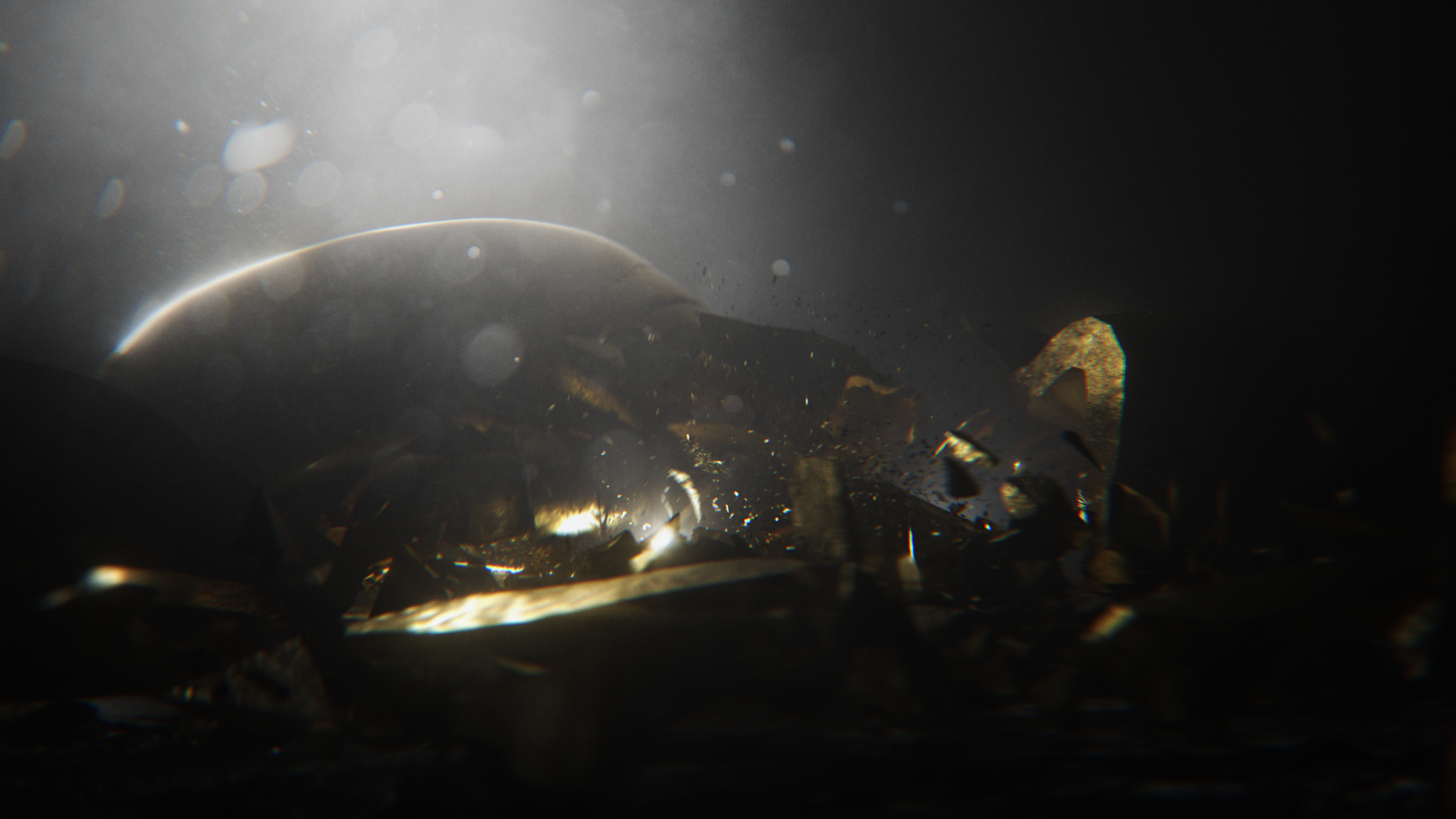
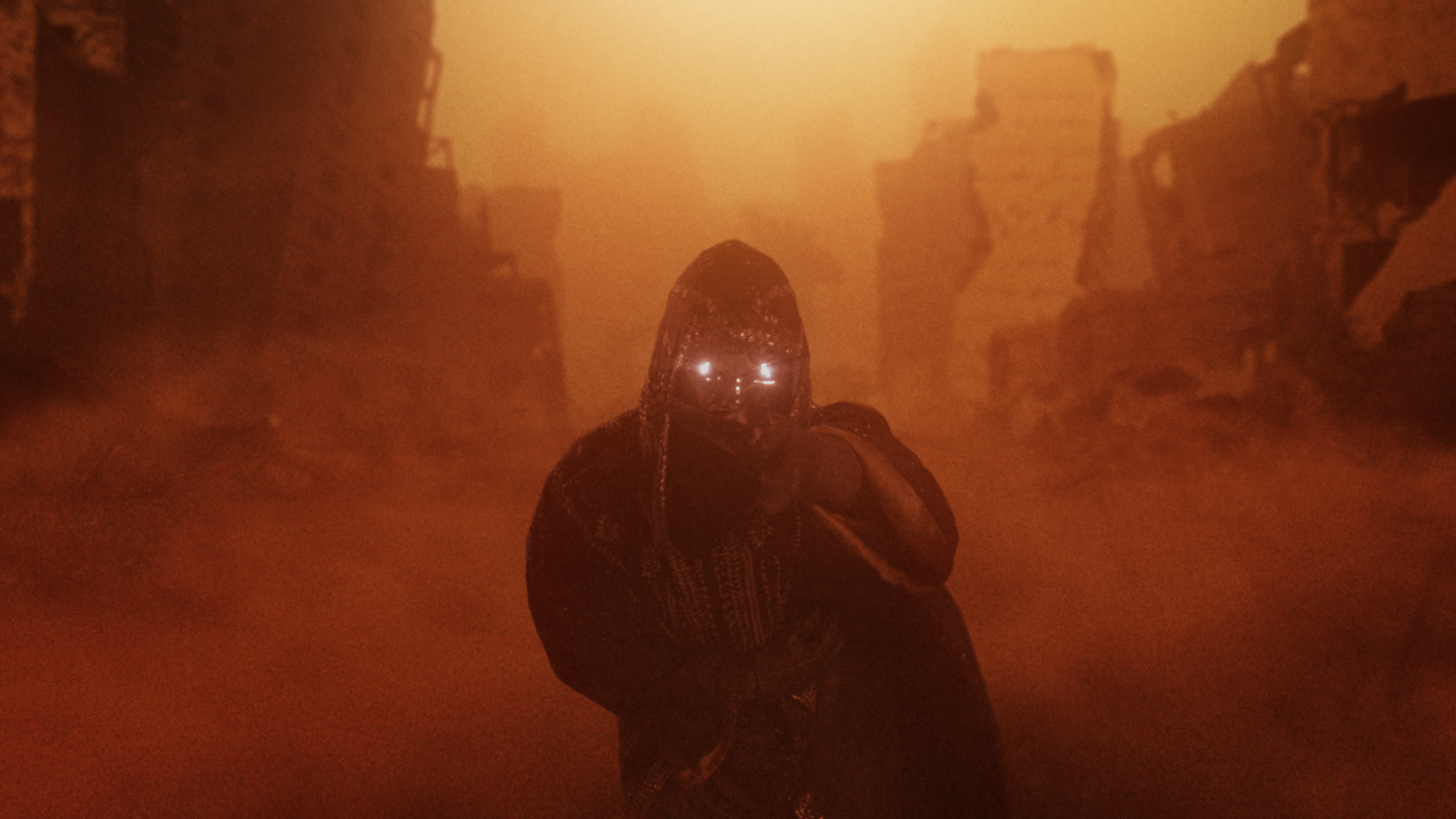
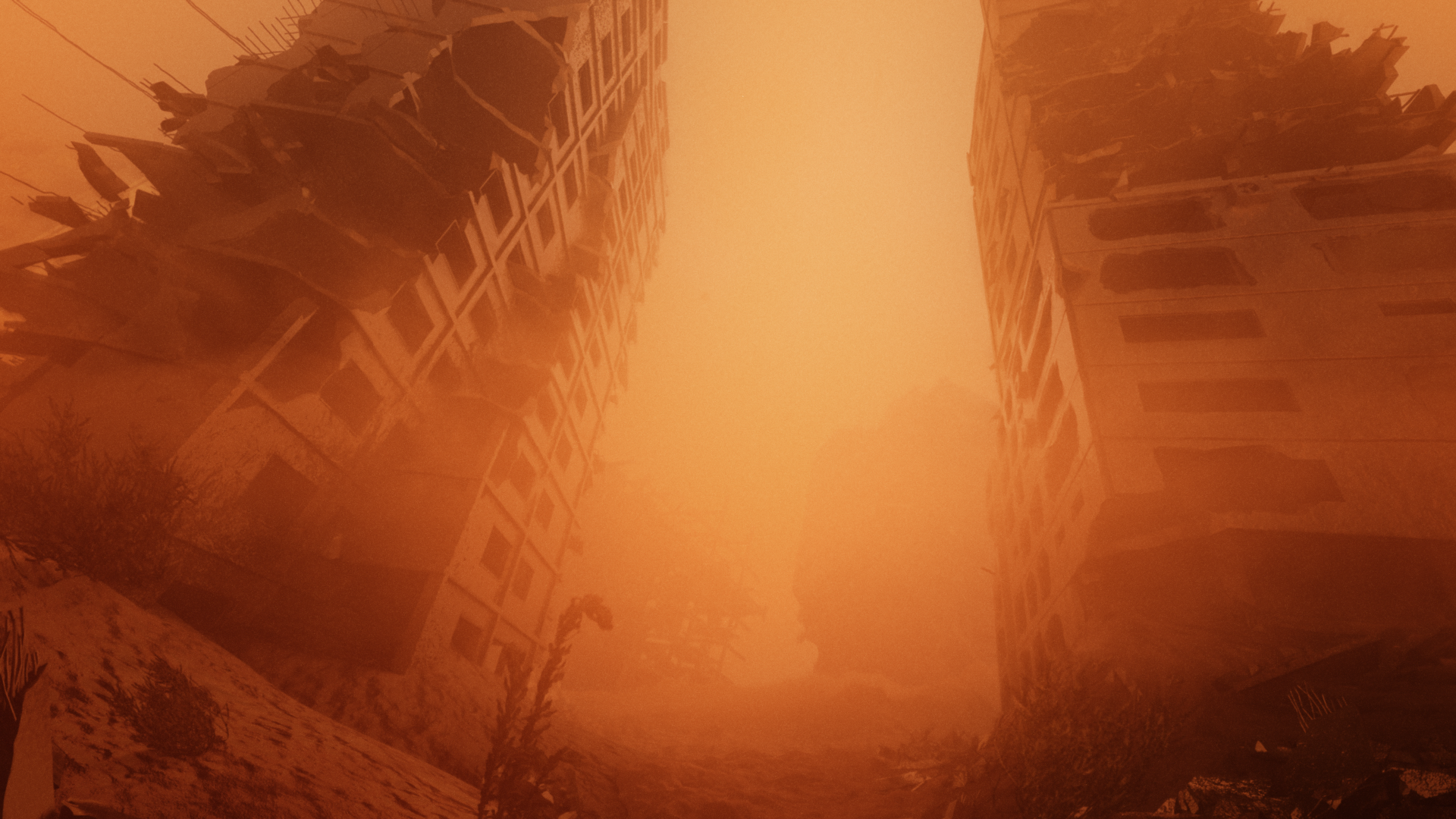
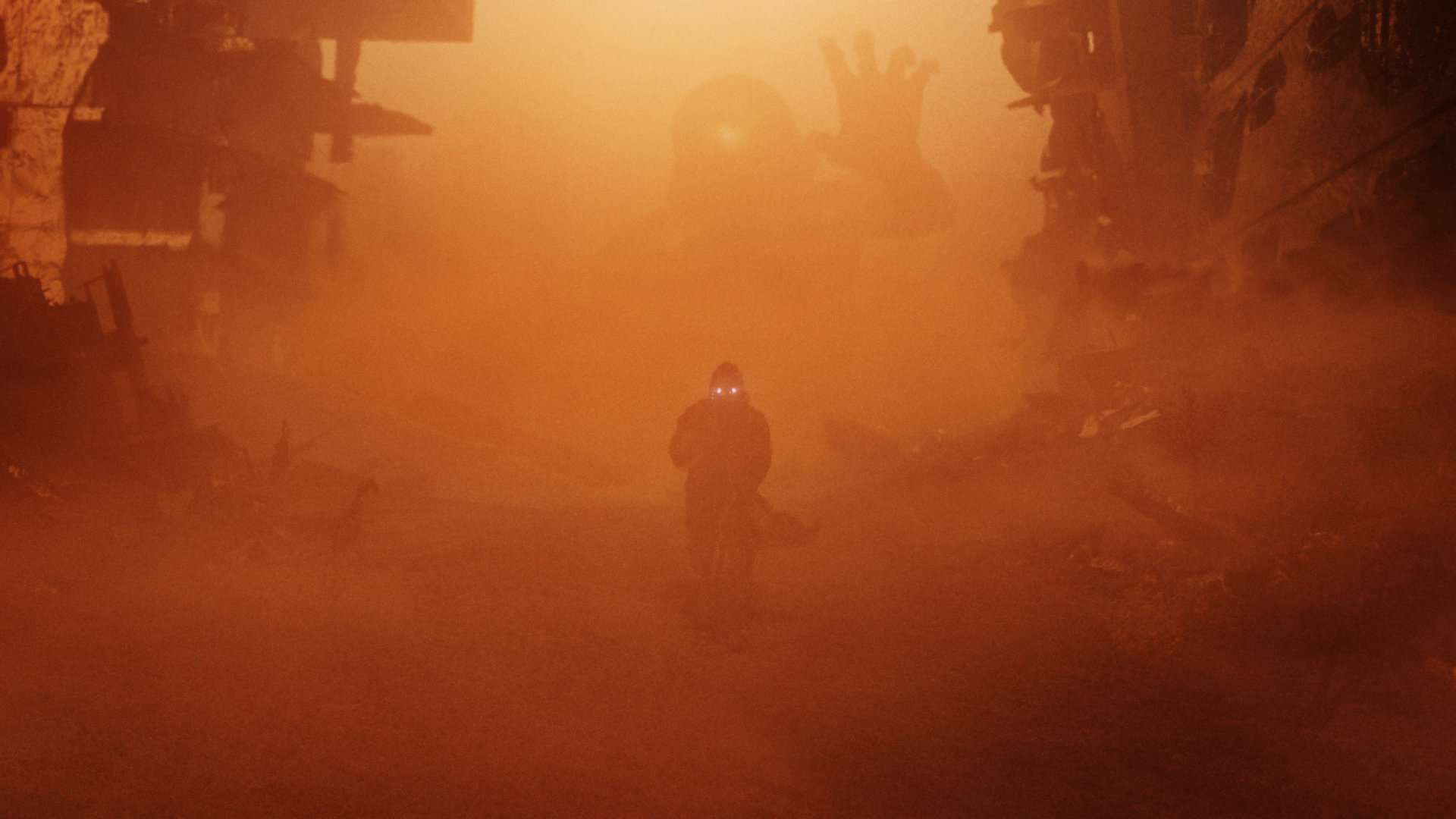
The work was split across two major sequences: one set in a sprawling, sand-swept desert world inspired by Blade Runner 2049, complete with crumbling structures and vast, atmospheric landscapes, and another centered on a dramatic visual of The Weeknd’s mask dropping and shattering.
To achieve a cinematic level of realism and creative control, I built custom render pipelines and developed advanced post-render techniques that allowed us to fine-tune every detail beyond the initial pass. (See Below) Our workflow integrated Blender, Houdini, After Effects, and Quixel Bridge, pushing the limits of each tool to craft immersive visuals and tell a cohesive visual story.
Technical Developments
From a technical standpoint, this project pushed us to build highly adaptive workflows that maximized control and efficiency across the entire pipeline. I developed a custom, universal render pipeline in Blender that ensured consistency across every scene while giving our compositing artist, Brandon, complete flexibility. This included extracting all essential passes and leveraging light groups to provide granular control in post-production. We also decided to create volumetric effects entirely in post, creating quite the difference between the raw render from Blender and the final image!
(See Below)
(See Below)
On the simulation side, we integrated Houdini into the pipeline for all dynamic effects, where our simulation artist, Russ, created complex building destruction, fracturing, and dust simulations. We then used Blender’s geometry node system to procedurally instance rock debris along an Alembic-exported particle system from Houdini, maintaining both realism and performance.
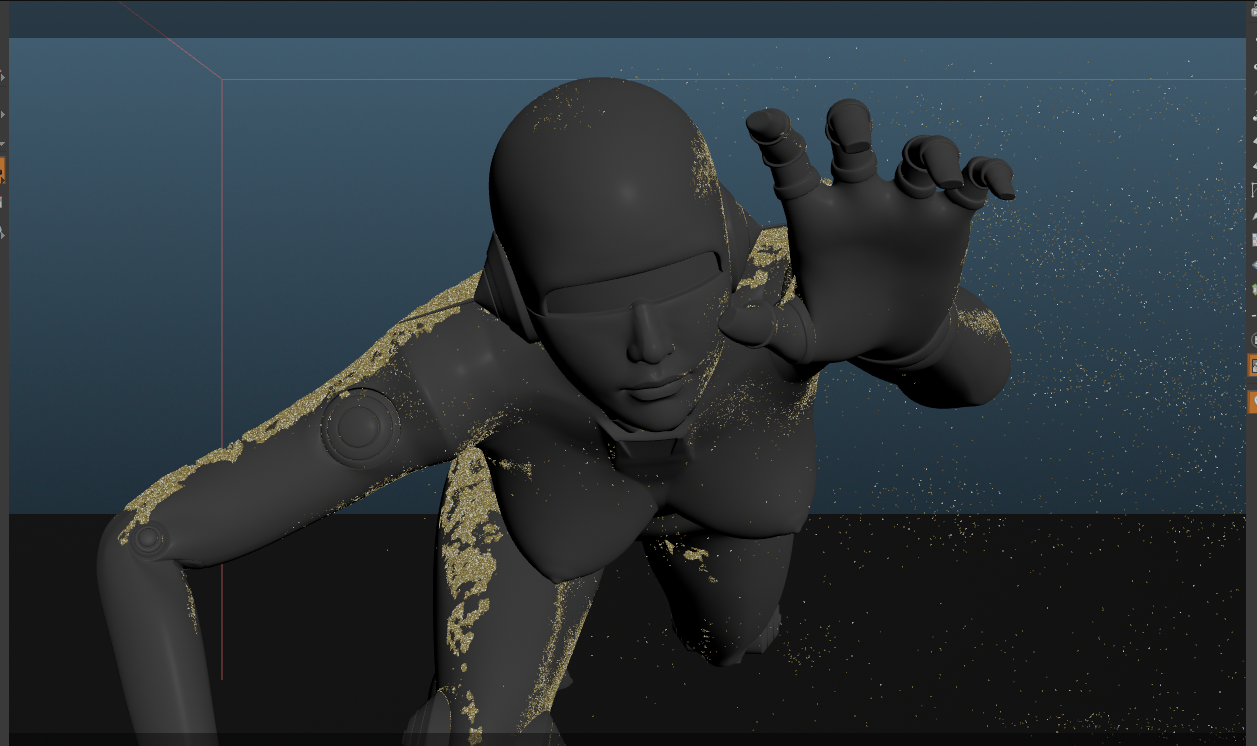
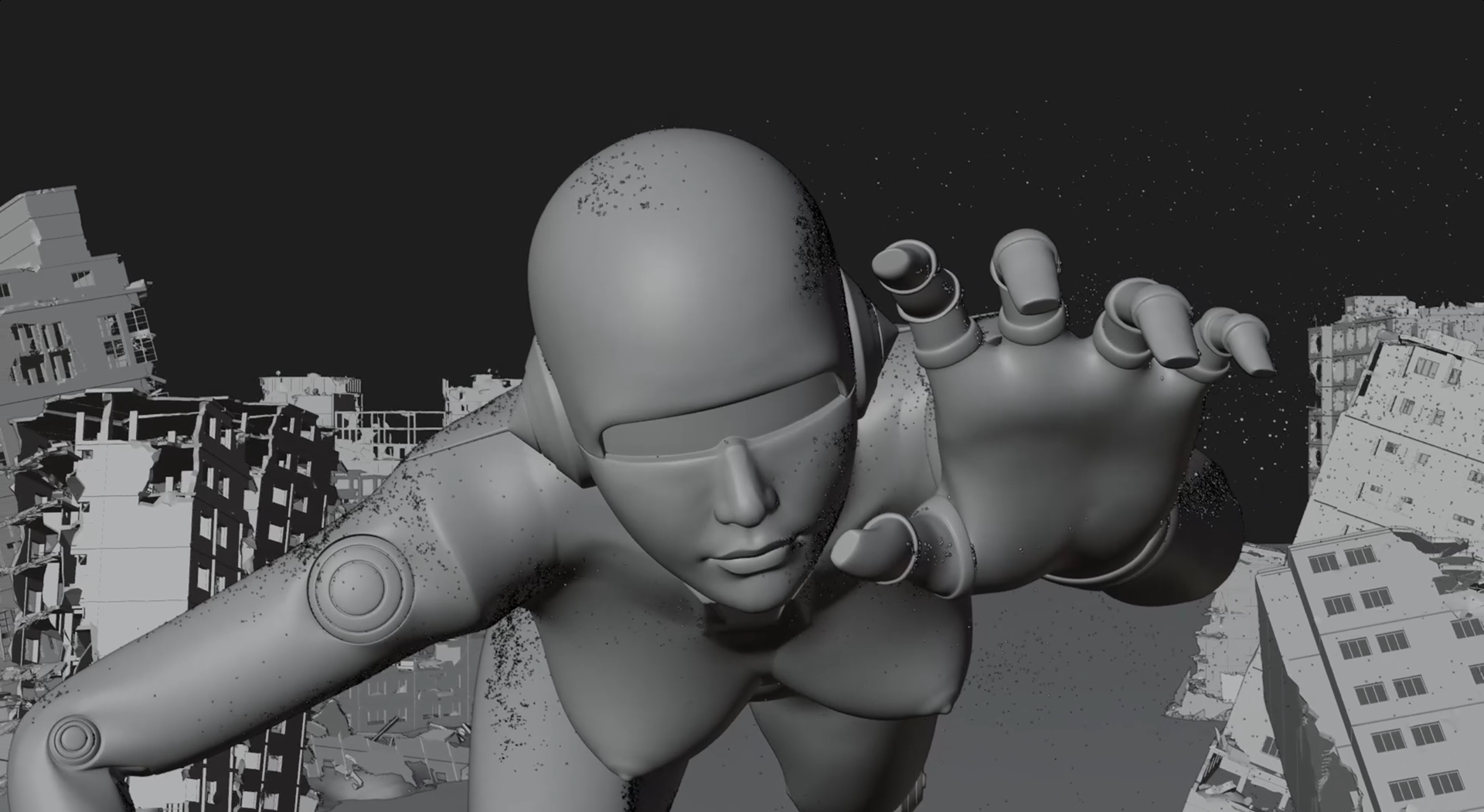
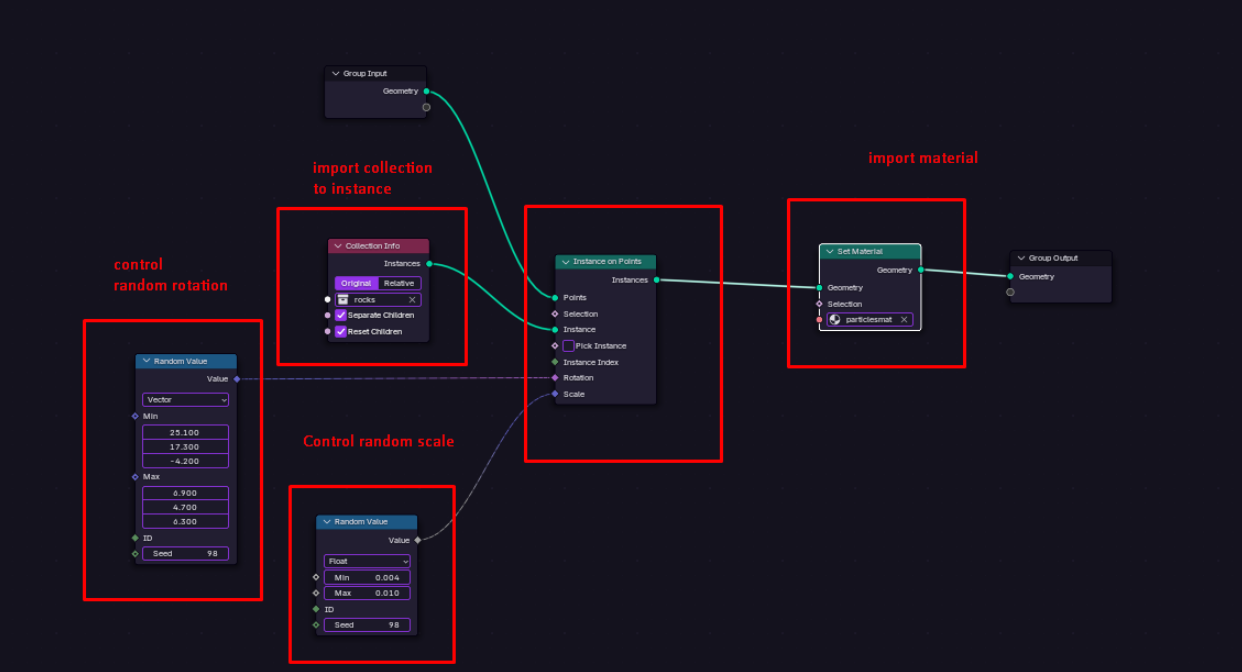
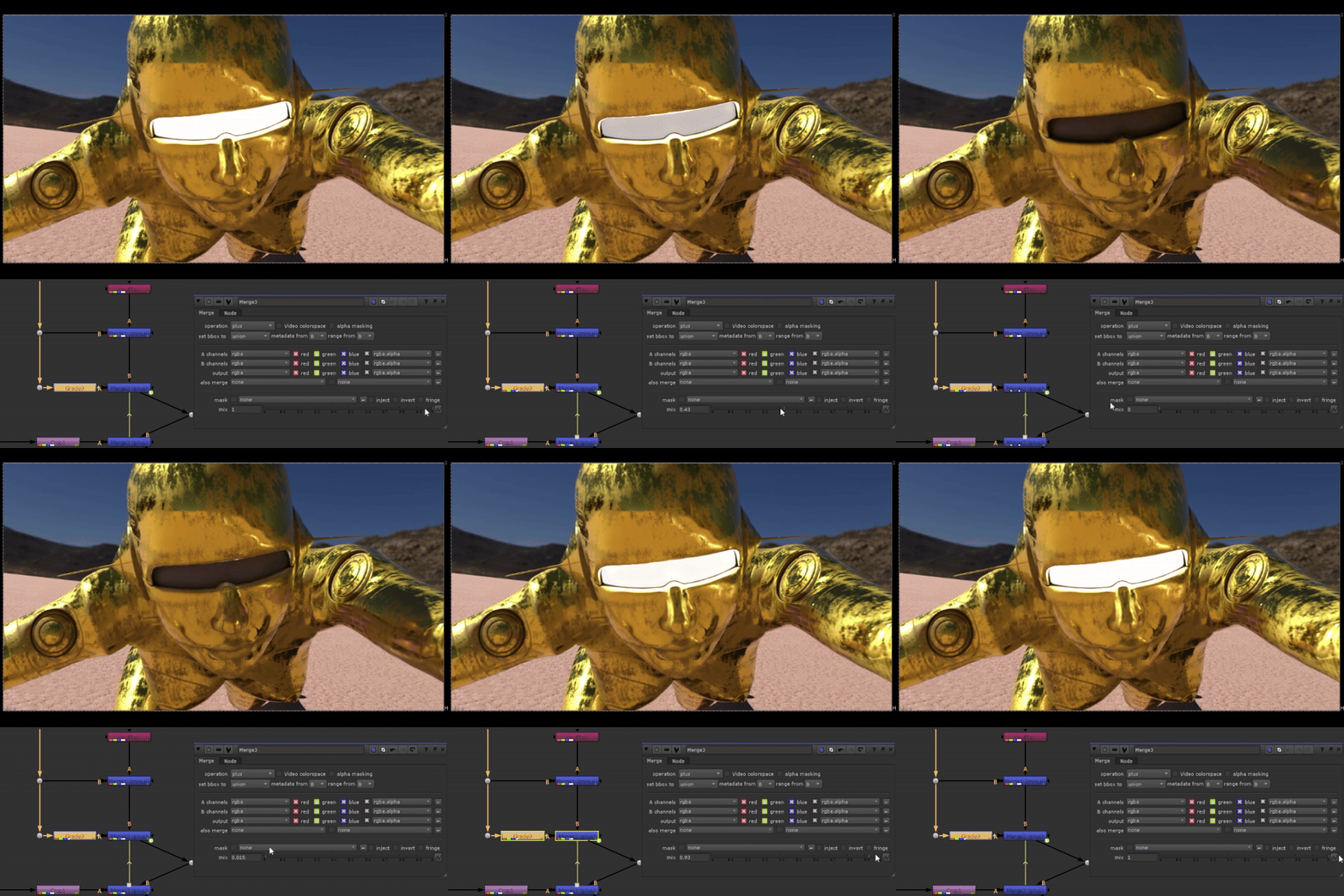
Additionally, we devised a technique to isolate and extract indirect light from emissive materials using a combination of light groups and cryptomattes — a solution that significantly enhanced our ability to fine-tune lighting during compositing. This was a feature native to Blender prior to version 3.6, however they have since abandoned it — forcing us to make it ourselves.
We used Nuke for the demo to the right, but it was never used during the project to deliver the final output.
CREDITS
Director: Evan Larsen
VFX Agency: Studio 457
VFX Supervisors: Ezekiel Wagner, Max Goldblatt
3D Artists: Max Goldblatt, Abrar Ahmed, Cxsh
3D Modeler: Carlos Sonora
3D Simulation Artist: Russ
Compositing Artist: Brandon Ventura
Rendering: Futhark Studios